

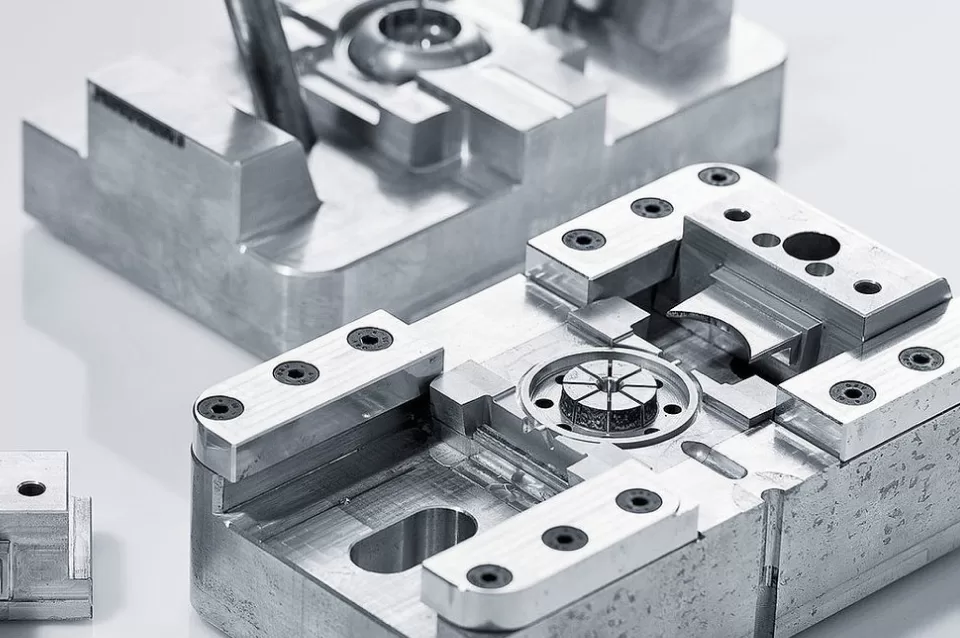
Tooling fabrication is the process of creating specialized tools and equipment used for manufacturing various products. These tools are designed to meet specific production requirements, such as precision, durability, and efficiency. Tooling fabrication is an essential aspect of the manufacturing industry, as it plays a crucial role in ensuring the quality of products and optimizing production processes.
The process of tooling fabrication involves several stages, including design, prototyping, testing, and production. The first step is to determine the specifications of the tool, including its size, shape, and functionality. This is typically done by engineers and designers who work closely with the manufacturing team to ensure that the tool is optimized for the specific production process.
Once the design is finalized, a prototype of the tool is created. This allows for testing and modifications to be made before the final production run. The prototype is then evaluated and refined until it meets the required standards for performance and quality.
The final stage is the production of the tool. This involves the use of specialized machinery and skilled workers to create the tool from raw materials. The finished tool is then tested to ensure that it meets the required standards and is ready for use in the manufacturing process.
Overall, tooling fabrication is a critical process that enables manufacturers to produce high-quality products efficiently and cost-effectively. It requires a combination of technical expertise, design skills, and manufacturing capabilities to create specialized tools that meet the unique needs of each production process.