

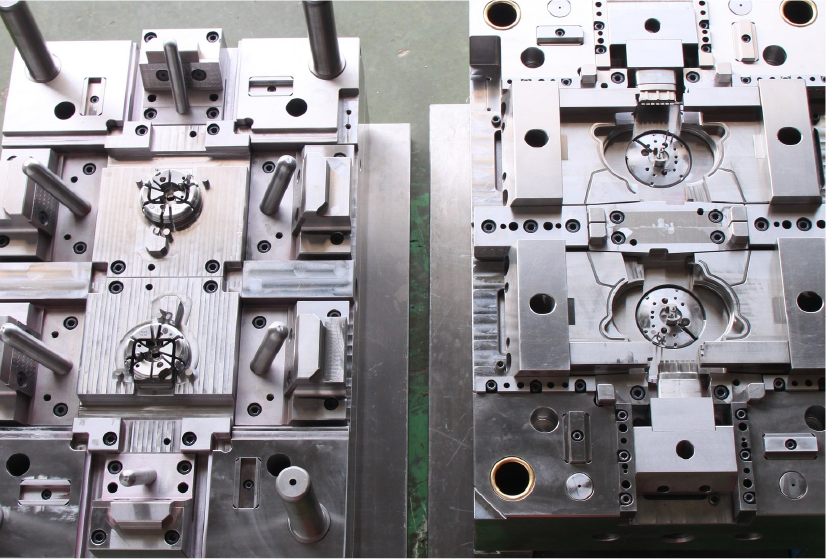
Multicomponent Plastic Injection
- Multicomponent plastic injection is a manufacturing process used to create products with multiple plastic components. This process involves injecting multiple materials into a mold simultaneously or sequentially to create a finished product. The process can be used to create a range of products, including automotive parts, consumer goods, and medical devices.
- The multicomponent plastic injection process involves the use of specialized injection molding machines that are capable of injecting multiple materials at once. The machines have two or more barrels for holding different types of plastic materials, which are then injected into a mold. The molds used in this process are designed with multiple cavities or cores that allow for the creation of different shapes and designs.
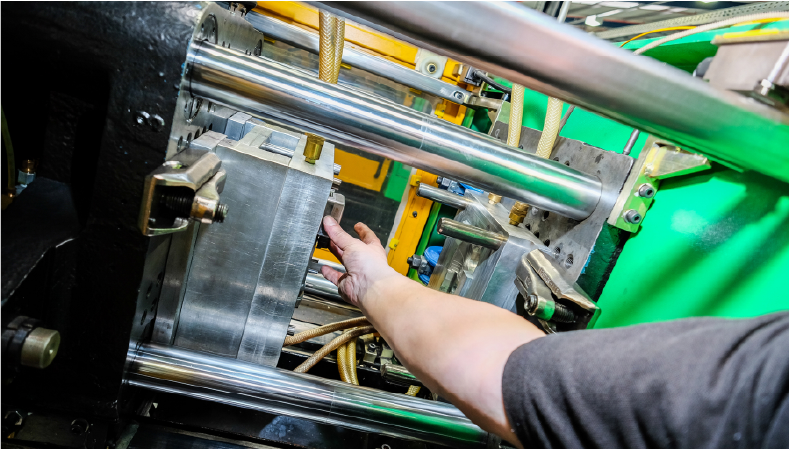
- There are two main types of multicomponent plastic injection processes: two-shot molding and co-injection molding. Two-shot molding involves injecting two different materials into a mold in two separate stages. Co-injection molding, on the other hand, involves injecting two or more materials simultaneously into a mold.
- One of the main benefits of the multicomponent plastic injection process is that it allows for the creation of products with complex designs and multiple colors. This can help to increase the aesthetic appeal of the product and make it more attractive to consumers. In addition, the process can help to reduce production costs by eliminating the need for multiple manufacturing steps.
- However, there are some challenges associated with the multicomponent plastic injection process. One of the main challenges is ensuring that the different materials adhere properly to each other. This can be achieved through the use of special adhesives or by modifying the injection molding machine to ensure that the materials are injected at the correct temperature and pressure.
- Overall, multicomponent plastic injection is a versatile and effective manufacturing process that can be used to create a wide range of products. By using this process, manufacturers can create products that are more visually appealing, more functional, and more cost-effective than traditional manufacturing methods.