

- High OD (optical density) silkscreen printing is a specialized printing technique used to produce high-quality and durable images on various surfaces, such as plastic, metal, and glass. This technique is commonly used in the manufacturing of products such as electronics, medical devices, and automotive components, where precise and long-lasting labeling is required.
- The high OD silkscreen printing process involves the use of a fine mesh screen, which is coated with a photosensitive emulsion. A film positive of the desired image is placed onto the screen, and UV light is used to expose the emulsion to the image. The unexposed emulsion is then washed away, leaving a stencil of the image on the screen.
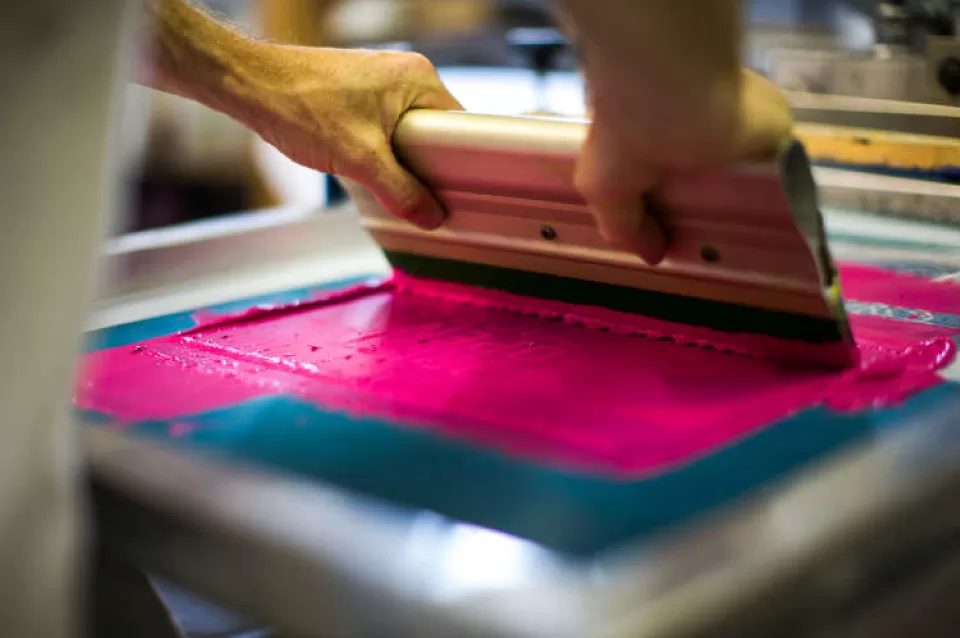
- The ink is then applied to the screen, and a squeegee is used to push the ink through the stencil and onto the surface of the product. The ink used in high OD silkscreen printing is specially formulated to provide a high optical density, which means that the printed image is highly opaque and resistant to fading or scratching.
- The precision of high OD silkscreen printing is achieved through a combination of advanced technology and skilled craftsmanship. The screens used in the process are created using specialized software and equipment, and the printing machine is carefully adjusted to ensure that the ink is applied evenly and accurately.
- Overall, high OD silkscreen printing is a critical aspect of the manufacturing process that enables manufacturers to produce high-quality and durable products that meet the needs of their customers. It requires a combination of advanced technology, specialized materials, and skilled craftsmanship to achieve the required level of precision and durability.